| 1907
|
|||||||||||||||||
|
|
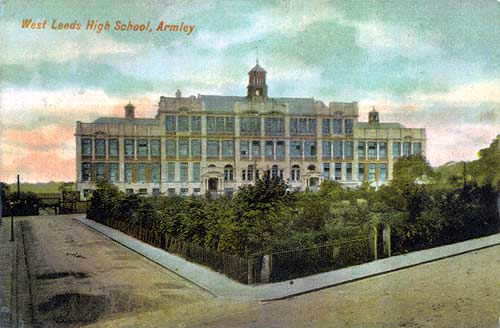
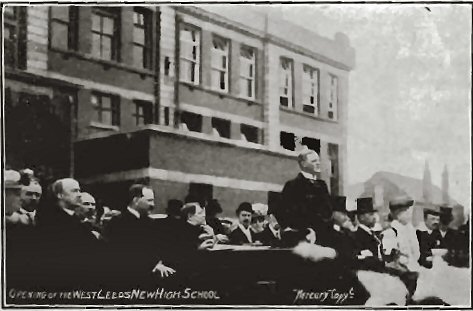
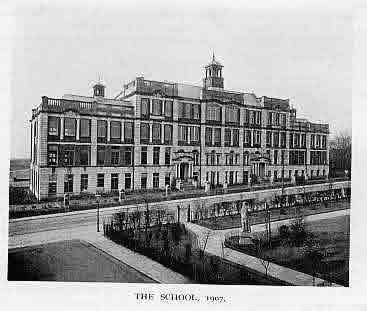
One of the two new schools to be built in Leeds to improve the provision of secondary education after the Balfour Education Act in 1902.The school opened on 7th September 1907 and the design was based on the stone and brick facade of a school in Switzerland. Championed by Mr James Graham the first secretary for education of Leeds, West Leeds High School was built to house 400 boys and 400 girls providing spacious classrooms, laboratories, gymnasium and playing fields. With the boys in one wing and the girls in another shared rooms were used on a schedule so that no mixing occurred, making two completely separate schools in one building.The school took pupils from Armley, Bramley, Stanningley, Rodley and Wortley and adjoining districts. At a cost of £42,000 the school was sometimes referred to as 'Graham's White Elephant'. Dr Graham being the Director of Education at the time. The new secondary schools, like West LeedsHigh School, although built by the council, charged fees, and were mostly attended by children from middle class families, who went on to higher education. Working class children left school at 14. The school fees were £16 per pupil per year, the cost being split between the government, Leeds ratepayers , and the parents.
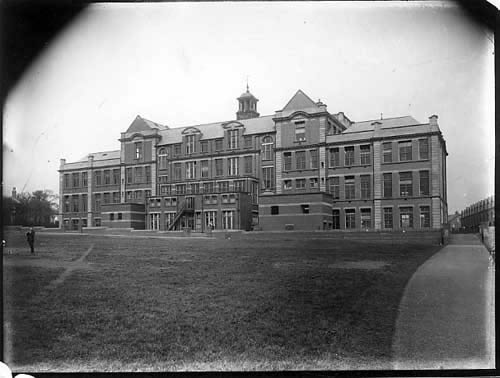
In the background West Leeds High School is visible, still under construction. The construction on a green field site took a liitle over 12 months from turning the first sod to the official school opening! It was the first large building in Leeds to have steel reinforced concrete floors ( a new idea from America). The electric lighting, heating and ventilation systems were all state of the art (for 1907).
|
||||||||||||||||
31st
May 1907. 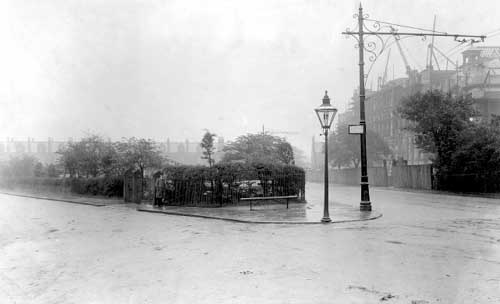 |
|||||||||||||||||
|
|
|
||||||||||||||||
|
|
Boys
were housed to the left and girls to the right. They only mixed in the
wooden kindergarten building Many former pupils
comment on the open staircase to the changerooms, eg "I'll
never forget the archaic changing rooms and showers up the old iron staircase,
and lost count of the number of unfortunates who were thrown out with
just a towel for company!" |
||||||||||||||||
|
|
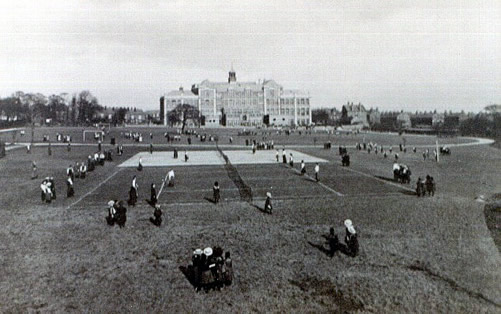
When the school opened it was a soccer school. Rugby was introduced as the winter game in 1926! Looks like the tennis courts were originally 1 grass & 1 clay. In summer I spent most lunchtimes & many happy hours after school on these courts. I am told the courts are still there(100 years after this photo) but disused and overgrown. The tarmac perimeter path around the sports field was there from day1.
|
||||||||||||||||
|
|
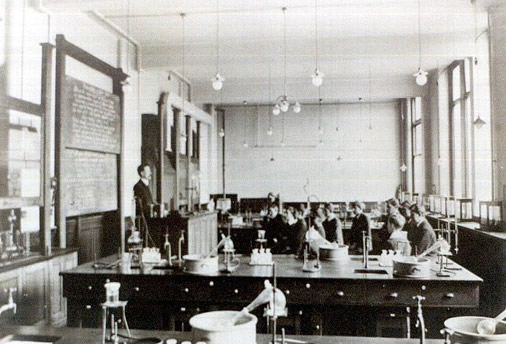
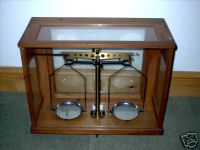
Chalk
and talk! The chemistry lab still looked exactly like this in the
1960's except for a few more stains on the ceiling! The line of mahogany
cased chemical balances ( like the one below) shown in the 1907 photo
were still in use in the mid 60s when they were replaced by electronic
balances. Remember how the weights could only be handled using tweezers
and how fiddly the small milligram weights were -one sneeze and you'd
lost them.
|
||||||||||||||||
|
|
|
||||||||||||||||
 |
|||||||||||||||||
|
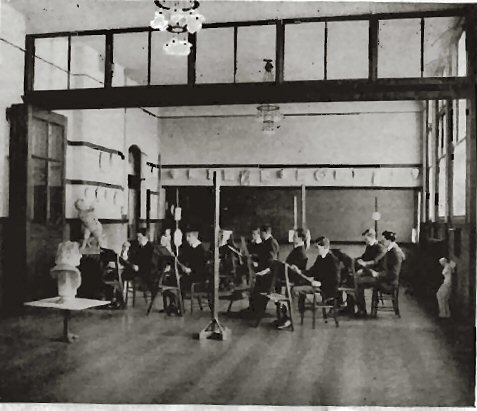
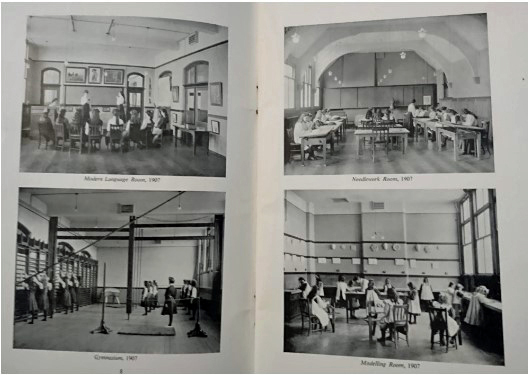
Two schools in one building. The girls and boys had separate wings but shared usage of some of the specialist rooms such as the gym and laboratories. Pictured above are the Modern Language Room, Needlework Room, Gymnasium, and Modelling Room. |
|||||||||||||||||
|
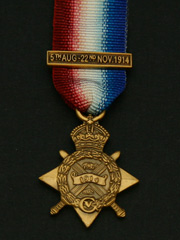
1914-18 The first intake of students in 1907 could not have known what fate the world had in store for them as they came of age just in time to be enlisted in the Great War ( 1914-18). This is just one example Lieutenant Arthur A. Chapman, Duke of Wellington's (West Riding Regiment), reported missing, believed killed on 23 April, is 21 years of age, and the only son of Mr. and Mrs. Hy. Chapman, of 20 Athlone Grove, Armley, Leeds. He was educated at West Leeds High School and Leeds University, and from the O.T.C. was granted a commission in August 1915. He was promoted Lieutenant in October 1916, and went to France on 17 January this year
|
 |
|
|||||||||||||||
|
John Antonio Sanchez Boyle –
was a history master at West Leeds High School in the early years of the
school from 1909 to 1914. He left Leeds for a school in South Africa but on the outbreak of WW1 he was determined to join the fighting forces and, despite being rejected on account of his short sight, he returned to Europe with the South African Medical Corps. He served with field ambulance parties on the Somme in 1916 and succeeded in being transferred to the Royal Garrison Artillery. He was killed in action at the Battle of Cambrai on 30 November, 1917. |
|||||||||||||||||